
Company profile
LAUNCESTON is a manufacturer and supplier of mold and tool solutions, CNC Machining, Die Casting, Injection Molding, etc, headquartered in Shenzhen, China, specializing in plastic injection molding technology over 17 years and providing OEM and ODM services. Hong Kong company was established in 2014, the main customer is the United States, export plastic molds and plastic products, as well as die casting molds and die casting parts. Annual sales of 12 million USD
In 2016, the company invested in a production plant in Shenzhen, with 10 injection molding machines (100-260T), mold room CNC and spark machines, and 2 die-casting machines, mainly producing plastic shells for auto parts and industrial equipment. Annual sales figures 1800W USD
In 2019, the injection molding workshop was expanded to include 42 injection molding machines (100-450T), CNC precision carving equipment and spark machines in the mold room, and 2 die-casting machines, with annual sales data of 3000W US dollars
In 2023, part of the injection molding workshop was moved to 18 units (100-450T) in Huizhou and 40 units (160-800T) in Shenzhen, mainly producing e-cigarette accessories, and the sales data of both factories was about 5000W US dollars

our advantages
Reasonable Price
Our company is an industrial and trading enterprise, committed to providing customers with competitive prices and high quality products and services.
Customization
We provide OEM and ODM services to meet the individual needs of customers, customize their own products, differentiate competition, and increase market share.
Quality Assurance
Products comply with ISO9001 certification standards, and our complete quality management system provides our customers with stable quality products.
On-Time Delivery
Our company has established a complete set of supply chain and logistics system to ensure that our customers in the shortest time to obtain high quality service.
Types of plastic injection molds

High Precision Injection Mold
Our high precision injection mold adopts the most advanced design and manufacturing technology, with high precision and efficient injection molding machine mold change speed, good combination mold locking effect, high reliability, high safety factor advantages, can provide our customers with more rapid, precise mass production, to meet the strict requirements of customers for high precision injection parts.
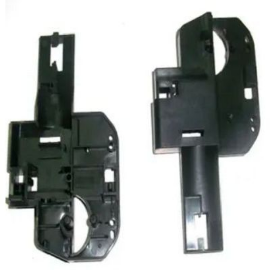
Printer Parts Injection Mold
Combining mold making with desktop 3D printing allows engineers and designers to expand the realm of materials they’re using and bring the capabilities of their 3D printer beyond rapid rototyping and into the realm of production.
Using 3D printed molds, dies, and patterns to supplement molding and casting processes tends to be both faster and less expensive than CNC milling, and easier than working with silicone molds.

Wall Socket Plastic Panel Housing
The plastic panel housing provides an aesthetically pleasing design and provides structural support for the appearance of the power outlet, and protects the internal electrical components from external environment, touch or other physical damage. This can ensure the stability and reliability of the power socket. Plastic panels are often designed to be flame retardant and insulated, helping to improve the safety of electrical outlets and reduce the risk of fire.

Plastic Storage Box Mold
Plastic storage boxes are widely used in home, office.
Storage arrangement: Plastic storage boxes can effectively organize and store items, making the space more orderly and easy to find and manage.
Protection items: Through the plastic storage box with a certain waterproof and dust-proof performance, the stored items can be effectively protected from moisture, dust and other effects.

Coffee Machine Shell Mold
Coffee machines are one of the most usedappliances in many homes and offices. material selection is crucial. The application of injection molding technology is indispensable in the manufacturing process of coffee machine shells.
The design of the mold is critical. The design and manufacture of Coffee Machine Shell Mold must consider market demands and usage scenarios, ensuring the high quality of the final product.

Home Doorbell Plastic Mold
The doorbell is a very practical signal device, which can help us to know the arrival of visitors in time, so that we can better meet everyone who visits. In addition to their use in the home, we can see their application in markets, shopping malls, hotels and so on. The efficiency and convenience of this signaling device will also play an important role in places such as shopping malls and hotels, where guests can be served in a timely manner.

Hair Dryer Shell Mold
A hair dryer, blow dryer, or blow dryer is an electromechanical device that blows ambient or hot air through wet hair to speed up the evaporation of moisture and dry hair quickly. By accelerating and controlling the formation of temporary hydrogen bonds within each strand of hair, hair dryers are able to control our hair style and volume, allowing us to better control the shape and style of our hair. Hair dryers are also constantly upgrading the production process .

Audio Shell Mold
A speaker is a device that converts an audio signal into sound. In popular terms, that is, the speaker host box or subwoofer box comes with a power amplifier, the audio signal is amplified by the speaker itself, playback the sound, and the sound becomes louder. Loudspeakers are widely used in audio equipment, television, movie theaters, lecture halls and other places. It can spread the sound to every corner, so that every audience can hear the clear sound,

Home Appliance Plastic Mold
Plastic molds for household appliances can cover washing machine shells, refrigerator drawers, air conditioning panels, microwave ovens and other fields. The benefits of using plastic molds include high cost effectiveness, strong customization, the ability to quickly produce parts that meet the design needs, while achieving product lightweight design, and improving the portability and installation convenience of household appliances.
What is plastic injection mold?
Plastic injection mold is a manufacturing process in which molten plastic material is injected into the mold cavity to produce plastic parts. Molds are usually made of metal and designed according to the desired shape and characteristics of the final product. Once the plastic is injected into the mold, it cools and solidifies, taking on the shape of the mold.
What are the advantages of injection molding?
fast speed
The speed of injection molding is fast and the production efficiency is high, which can produce large quantities of products in a short time to meet the needs of the market.
High precision.
Injection molding precision is high, can manufacture a variety of complex shapes of products, accurate size, smooth surface, in line with customer needs.
Low cost.
The production cost of injection molding is relatively low, because it can produce a large number of products in a short period of time, while using relatively less materials, saving production costs.
High selectivity
High quality. Injection molding product quality is high, the material is uniform, dense, no burr, no gap, to ensure the quality of the product.
Production stable.
The production process is stable. Injection molding is an automatic production method, which can reduce the interference of manual operation, and the production process is stable and reliable
Easy operating.
The operation of injection molding is simple, convenient, requires only a small number of technical workers, and is easy to manage and maintain.
Plastic Injection Mold
Standard
GB/T 19001
Certification
ISO9001
Product Material
Polypropylene (PP): lightweight, chemical corrosion-resistant, suitable for a variety of plastic products.
Polystyrene (PS): transparent, easy to process, common in home applshells shell and parts.
Polycarbonate (PC): high strength, high transparency, high-temperature resistance, used in transparent parts manufacturing.
Nylon (PA): high strength, wear resistance, used to manufacture high-strength parts.
ABS/ polycarbonate alloy: Combined with the characteristics of ABS and PC, it is suitable for the manufacture of complex parts.
Modified polyphenyl ether ketone (PPE): with high-temperature resistance and electrical insulation, used in electrical and electronic equipment.
SMA (Styrene-maleic anhydride) resin: with high transparency and chemical resistance, it is used to manufacture transparent parts.
Polyamide 66 (PA66): high-performance nylon, with excellent strength, rigidity, and heat resistance, used in automotive parts and electronic equipment shells.
Production process
The production process of plastic molds includes the following steps:
Product design: Designers draw three-dimensional drawings, considering product shape, size, material selection, etc.
Mold prototyping: prototyping for design verification.
Mold shell production: material selection, precision machining, making the mold body.
Electrode placement: Place the electrode and form a profile through EDM or EPFM.
Assembly and debugging: check the mold parts, and debugging to ensure quality.
Surface treatment: polishing, and coating to improve the appearance of texture.
Test and correction: test, test, and adjust according to the results.
Production stage: Put into formal production, production of plastic products.
Quality control: Quality control in the production process to ensure that products meet standards.
Shipment: the finished product is packed and ready for shipment.
After-sales service: Provide after-sales support, solve the problems that customers may encounter, repair or adjust the mold.
Components
A plastic mold usually contains the following main components:
Mold Cavity: The mold cavity is the main part of the mold and determines the shape of the final product. It consists of two or more parts, which can be divided into an Upper Mold and a Lower Mold.
Slider: A slider is a part that can slide in the mold to form grooves or complex shapes in the product.
Core Pin: The core pin is the part responsible for forming the protruding or internal structure in the product, usually located in the middle of the mold housing.
Guide Pillars and Bushings: Guide pillars and bushings are the parts used to maintain the positioning of the upper and lower die, ensuring the precise alignment of the die when closed and opened.
Cooling System: The cooling system adjusts the temperature by introducing cooling water or other cooling media into the mold to ensure the rapid solidification of plastics and improve production efficiency.
Ejector Pin: The ejector pin ejects the molded plastic products from the mold through the top action.
Moving Plate: The moving plate is used to support sliding blocks, mandrels, and other moving parts to ensure that they can move smoothly.
Stationary Plate (Stationary Plate): The stationary plate is used to support the mold shell and other stationary parts, fixing the overall structure of the mold.
Injection port (Sprue): The injection port is a channel for the plastic material to enter the mold, usually located above the mold and connected to the injection machine.
Base Plate: The base plate is the support structure at the bottom of the mold, which is usually connected to the mold housing to provide the overall stability of the mold.
The design and assembly of the above components form a complete plastic mold for the production of plastic products with specific shapes and structures.
How to cooperate with us?
Inquiry quote
The customer provides the information:
1) 3D Step files and product samples
2) Material requirements
3) Surface treatment specifications
4) Quantity (per order/month/annual)
5) Any special requests or requirements, such as packaging, labeling, and delivery methods.
Sign the contract
Once both parties have reached an agreement, the next important step is to sign a formal sales contract. This contract will specify important information such as product details, prices, payment terms, delivery dates, etc., to ensure that both parties clearly understand the terms of the agreement. Through a contract, both parties can be guaranteed and trusted
Payment
The customer makes payment according to the payment method agreed in the contract. Our common payment methods include telegraphic transfer, letters of credit, etc. The customer confirms the payment upon receipt of the payment and begins to perform the contract.
Production and inspection
Our factory started production of the product and carried out quality control in the production process. To further ensure the quality and conformity of the product, some orders may require third party inspection to ensure that the product meets specifications and quality standards.
Inspection and confirmation
The customer inspects the goods after receiving them to confirm whether the goods comply with the contract requirements. If you have any questions, please contact us in time. We will investigate and deal with your problem and ensure that your satisfaction is met to the maximum extent possible.
After-sales warranty service
Our goal is to provide high quality products and excellent service to ensure customer satisfaction. If the customer finds a problem after inspection, we will actively deal with it and provide after-sales service, including repair, replacement or refund. We hope that customers can communicate and negotiate with us to solve the problem, in order to achieve mutual benefit and win-win situation.
Maintenance
Good maintenance of molds is essential to ensure their long-term efficient operation and extended service life. The following are some recommended mold maintenance measures.
Through regular maintenance and rational use, the service life of the mold can be effectively extended, production efficiency can be improved, and downtime can be reduced.
1.Regular cleaning and lubrication: regularly clean the mold surface, especially the mold shell, slider, mandrel and other moving parts. Use appropriate lubricants to ensure smooth movement of moving parts and reduce wear.
6.Avoid excessive force: During the use of the mold, avoid using too much injection force to reduce the wear and deformation of the mold.
2.Check the guide system: regularly check the guide system, including the guide post and guide sleeve, to ensure its normal operation. If there is any damage or wear, replace it promptly.
7.
Dust and dirt prevention: keep the environment around the mold clean, avoid dust, dirt, etc., into the mold, affecting the production quality.
3.Monitor the cooling system: Check the cooling system regularly to ensure that the cooling channel is unimpeded. Clean the cooling hole to avoid accumulated dirt affecting the cooling effect.
8.Regular maintenance records: record the maintenance history of the mold, including cleaning, lubrication, replacement of parts, etc., in order to find problems and take measures in time.
4.Pay attention to anti-corrosion treatment: For metal molds, anti-corrosion treatment is carried out to prevent corrosion. It can be protected with a special anti-corrosion coating or anti-corrosion grease.
9.Train operators: Train operators on the correct use and maintenance of molds, so that they can operate and maintain molds correctly.
5.Timely replacement of wearing parts: regularly check the condition of wearing parts in the mold, such as thimble, guide post, etc., find wear or damage timely replacement, to avoid causing greater damage to the entire mold.
-

Automotive Injection Molding
Automotive injection molding is a manufacturing process that uses a high-pressure plastic injection Add to Inquiry -
High Precision Injection Mold
High precision injection mold manufacturing is a high-tech process that requires the use of Add to Inquiry -
Bluetooth Speaker Shell Plastic Mold
A Bluetooth speaker shell plastic mold is a custom-designed tool used in the manufacturing process Add to Inquiry -
Colorful Plastic Seat For Students
A colorful plastic seat for students is a type of seating designed specifically for use in Add to Inquiry -
Flower Pot Plastic Injection Mould
A flower pot plastic injection mould is a specialized tool used in the plastic injection molding Add to Inquiry -
Plastic Hair Dryer Shell Mold
A plastic hair dryer shell mold is a specialized tool used in the manufacturing process to produce Add to Inquiry -
Electric Fan Blade Mold
Product Description Free product design&mould design 2D/3D Free sample delivery,mould test Every Add to Inquiry -
Air Conditioning Remote Control plastic Injection Mold
The air conditioner remote control is a more common electronic product, and the mold is one of the Add to Inquiry -
Shrink Plastic Bead Mold
A plastic jewelry box is a storage container typically made of plastic and designed specifically Add to Inquiry -
Plastic Jewelry Box Mold
A plastic jewelry box is a storage container typically made of plastic and designed specifically Add to Inquiry -
Plastic Watch Box Mold
A plastic watch box is typically used to protect watches. They are usually made of plastic, Add to Inquiry -
Plastic Watch Band Mold
A watch band is an essential component of a timepiece, used to secure the watch around the wrist Add to Inquiry


Our Certificate


ISO9001:2015
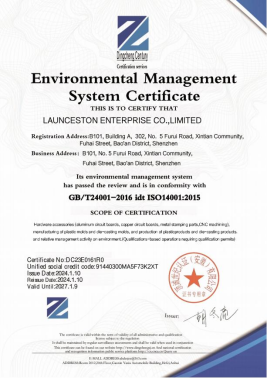
ISO14001:2015
This Industry
At present, the factory in Shenzhen, China, covers an area of 6000 square meters (Shenzhen factory 2200 square meters + Huizhou factory 4800 square meters), with 58 injection molding machines, 4 CNC machines, 9 spark mirror machines, 12 wire cutting machines, and the largest injection molding machine set of 800T, which can be used as car bumpers. Die casting machine 4 sets, the largest machine 400T, automotive cooling parts can be produced, including product post-treatment, spray paint, oxidation, electroplating and so on. Annual production capacity is about 1.5 billion. Currently there are ISO9001 and ISO14001 certifications.
Injection molding workshop 5000 square meters, 58 injection molding machines, supporting mechanical arms.
Mold workshop 1000 square meters, CNC engraving machine, mirror spark machine, line cutting equipment
Injection molding machine of 120T 15, 160T 13. 12 of 200T. Seven of the 260T. Six units of 350T and two units of 450T.
Two with 600T and one with 800T
Die casting workshop 4 die casting machines, 3 200T, 1 400T, matching grinding workshop and post-treatment workshop
Everything You Want to Know
Below is a list of frequently asked questions about our company.
Q: What plastic is used in injection moulding?
10 Popular Injection Moulding Materials Low-Density Polyethylene (LDPE)
Low-density polyethylene is used as injection moulding materials to create bottles, plastic bags and plastic wraps as well as playground slides. The benefits of using this material are its moisture and chemical resistance.
Q: How do you mold plastic?
Compression molding involves placing a heated plastic inside of a heated mold, then closing it to compress the plastic into the desired shape. Once cooled, the part is removed from the mold. The heating process, called curing, helps ensure that the final product will maintain its integrity and shape.
Q: How many packaging do you have?
A: Our current products are mainly packaged in boxes.
Q: Can you do our own packaging?
A: Yes, you just provide the package design and we will produce what you want. We also have the professional designer can help you do the packaging design.
Q: What steel is plastic injection molds made from?
P20 is the most widely used plastic mould steel, good for volumes up to 50,000. It's known for its reliability for general-purpose resins and abrasive resins with glass fibers. Pro: P20 is used by many engineers and product designers because it's more cost effective and tougher than aluminum in some applications.
Q: What are the disadvantages of injection molding?
High initial cost to set up the machinery properly. Not as cost effective if used to produce only a low volume of parts. Moulds need to be designed to a high standard, which takes skilled workers.
Q: What are injection molds made of?
Plastic injection molds are typically constructed from hardened or pre-hardened steel, aluminum, and/or beryllium-copper alloy. Steel molds cost more, but are often preferred because of their high durability.
Q: How fast is plastic injection molding?
Traditional injection molding already has short cycle times, aka the amount of time it takes to produce parts. Depending upon a part's size and complexity, a single cycle can take just a few seconds.
Q: Can injection molds be reused?
Can injection molds be reused?
The scrap produced from the injection molding process can be recycled back into the manufacturing process. For manufacturing purposes, post-industrial scrap can be shred and fed back into the injection molding machine or the plastic melted into pellets for reuse.
Q: Is injection molding stronger than 3D printing?
Injection molded parts tend to be stronger than 3D printed components. Mainly, that's because injection molded parts are made are made of a single layer of material. By contrast, 3D printing produces parts layer by layer.
Q: Which shipping way can you provide?
A: We can provide shipping by sea, by air .
Q:How is a plastic injection mold made?
The steps include mold design,steel order and inspection,drilling cooling and screws holes, CNC machining , mold base order and frame making,electrodes making,EDM process,wire cut,polish ,fitting,assembly and mold trial,some high requirement mold need harden up steel for main insert,it will add harden-up process.
Q:What is plastic mould made of?
The plastic mold is made from a combination of steel plates and other mold components, coupled to form an overall mold, which is then reliably assembled and installed in an injection molding machine, then applies a thermoplastic resin to the desired shape to fulfill the intended purpose.
Q:Can all plastics be injection molded?
Plastic injection molding can work with a variety of plastics. Some of the popular materials are as listed below: Polycarbonate (PC), Polypropylene (PP), Polyamides (PA), Acrylonitrile Butadiene Styrene (ABS), Acrylic (PMMA), Polyethyelene (PE), Polystyrene (PS) and
Q: Why is injection molding so popular?
Rubber injection moulding process produces a high yield of durable products, making it the most efficient and cost-effective method of moulding. Consistent vulcanisation processes involving precise temperature control significantly reduces all waste material.
Q: How many types of injection molding are there?
Hydraulic, Electric, and Hybrid Machines
There are three types of injection molding machines, classified by the type of drive/motor — hydraulic, electric, or hybrid.
Q: Why choose plastic injection molding?
Plastic Injection Molding Has Low Labor Costs.
Labor costs for injection molding operations are relatively low compared to other types of molding processes. The capacity to produce the parts at a very high level with a high output rate helps reduce manufacturing costs through its efficiency and effectiveness.
