

High Precision Injection Mold
Why Choose Us?
Professional Technical Team
We have a leading design team that combines concepts with art and business to develop more and more differentiated products in a modern minimalist style.
Excellent Customer Service
Serve every customer in the industry and prepare for the future return of manufacturing to the U.S. headquarters. Making better products for the world and serving humanity, business knows no borders.
Wide Range of Applications
Widely used in electrical and electronic industry, automotive industry, medical industry, electronic cigarette industry and other business areas.
Rich Experience
LAUNCESTON ENTERPRISE CO.,LIMITED, Is a high-tech enterprise dedicated to mold manufacturing and injection molding, hardware CNC and processing.
What is High Precision Injection Mold?
High precision injection mold manufacturing is a high-tech process that requires the use of precision processing machinery and equipment. The manufacturing process of high precision injection molds is necessary for developing precision plastic parts with complex geometric shapes, which can replace high-precision metal parts for various industrial applications. The accuracy of a part largely depends on the high precision injection mold and its suitability to meet design engineering requirements.
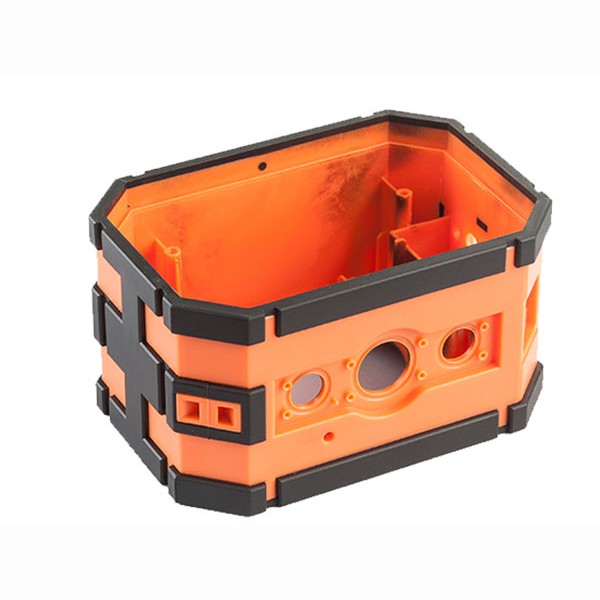
Bluetooth Speaker Shell Plastic Mold
A Bluetooth speaker shell plastic mold is a custom-designed tool used in the manufacturing process to create the outer casing of Bluetooth speakers.

Colorful Plastic Seat For Students
A colorful plastic seat for students is a type of seating designed specifically for use in educational environments such as classrooms, libraries, and study areas. These seats are made from durable plastic materials and come in a variety of vibrant colors.

Flower Pot Plastic Injection Mould
A flower pot plastic injection mould is a specialized tool used in the plastic injection molding process to manufacture plastic flower pots.

A plastic hair dryer shell mold is a specialized tool used in the manufacturing process to produce the outer casing or shell of a hair dryer. This mold ensures that the shell is produced with precise dimensions, uniform thickness, and high-quality surface finishes.
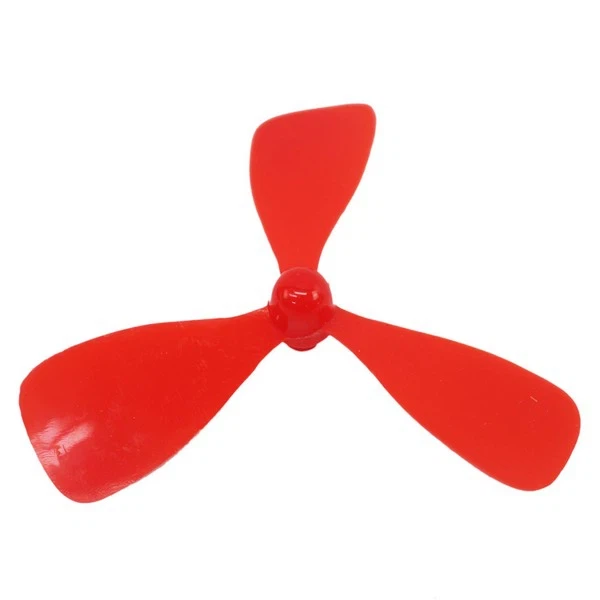
Product Description Free product design&mould design 2D/3D Free sample delivery,mould test Every week update production informations. Mould one year guarantee in normal condition use,Mould full-life technique support.

Air Conditioning Remote Control Plastic Injection Mold
The air conditioner remote control is a more common electronic product, and the mold is one of the important tools for the production of this remote control.

A plastic jewelry box is a storage container typically made of plastic and designed specifically for holding jewelry items such as rings, earrings, necklaces, bracelets, and watches. These boxes come in various shapes, sizes, and designs, catering to different preferences and needs.

A plastic jewelry box is a storage container typically made of plastic and designed specifically for holding jewelry items such as rings, earrings, necklaces, bracelets, and watches. These boxes come in various shapes, sizes, and designs, catering to different preferences and needs.

A plastic watch box is typically used to protect watches. They are usually made of plastic, lightweight, and durable. This type of watch box is usually inexpensive and suitable for storing daily-wear watches or as a temporary storage box when traveling.
Advantages of High Precision Injection Mold
Cost-effectiveness
High precision injection molds tend to result in cost savings due to drastically minimizing material waste and reducing the need for post-processing. This makes them an ideal choice for high-volume manufacturing. The reduction in per-unit costs allows businesses to increase both their profitability and their competitiveness in the market.
Product consistency
Consistent product quality is imperative when it comes to ensuring customer satisfaction and reducing defects. Accurate molds contribute to achieving this consistency, as the high precision in the molds allows for each plastic product created from them to come out exactly the same as the one before.
Waste reduction
High precision mold making minimizes the amount of wasted material, making it a significant environmental and financial advantage. By maximizing the utilization of each mold, you can reduce the need for disposal and all its associated costs. As a result, high precision molds contribute to sustainability efforts and reduce your carbon footprint, while simultaneously boosting your business's profitability and efficiency.
Higher productivity
Accurate molds can lead to increased production efficiency and, ultimately, result in faster production times and higher output. This means that your business can produce more products in a shorter period of time, improving your overall productivity and profitability. In addition to this, precise plastic molds help avoid costly production delays, and improve your reputation for timely delivery, due to the lack of defects.
Product durability
Precise plastic molds are engineered to withstand rigorous manufacturing processes, ensuring the delivery of consistent quality and reducing the need for frequent replacements or repairs. This longevity ensures your production processes remain reliable and cost-effective over time, making high precision molds both valuable and enduring assets.
Design flexibility
High precision injection mold making offers product differentiation due to its greater design flexibility. It enables your business to create products with complex shapes and features that would be impossible to produce with other manufacturing methods. This expands the range of products that can be manufactured and will afford your business the opportunity to meet diverse customer needs and stay competitive in the market.
Material of High Precision Injection Mold
Polyamide (PA)
The polyamide (nylon) family is diverse and ranges in density, strength and toughness. They are widely used (in molded form) in engineering and non-cosmetic applications like gears, bearings and structural components.
Polybutylene Terephthalate (PBT)
PBT is a rarely discussed but widely used engineering polymer. It is a high-performance thermoplastic, chosen for its excellent combination of mechanical and thermal properties. It exhibits high strength, stiffness, and dimensional stability, making it suitable for various loaded, structural and bearing applications.
Poly Ether-Ether Ketone (PEEK)
Polyether Ether-Ether Ketone (PEEK) is an engineer's engineering polymer, with some exceptional properties. It is a high-performance thermoplastic polymer with outstanding mechanical, thermal, and chemical resistance properties. PEEK is renowned for its exceptional strength, stiffness and dimensional stability, even at elevated temperatures.
Low-Density Polyethylene (LDPE)
LDPE is a low cost material that offers significant toughness and durability due to its flexibility and resilience. It is used in mass production of lower precision products like toys, pipes, crates and totes, where toughness and chemical resilience is valued over dimensional precision.
Acrylonitrile Butadiene Styrene (ABS)
ABS is the universal consumer goods material, with a great balance between toughness, rigidity, impact resilience and good cosmetic capability. It is highly moldable and can handle high precision applications, but it is not considered tough enough for higher strength applications.
High-Density Polyethylene (HDPE)
HDPE is an engineering material in that it offers high strength, great toughness and high wear resistance. It is not generally used in high cosmetic applications, but can serve under high loads and extreme chemical exposures.
Stainless Steel
Stainless steel is an interesting material in molding terms and it is increasingly practical and low cost as a method for making precise and complex net-shape parts in high grade metal via injection molding methods. Stainless steel powders are suspended in a polymer matrix, so they can be 'melted' and injected similarly to a high density polymer.
Application of High Precision Injection Mold
Medical device manufacturing
Medical devices require very high dimensions and surface quality of the products, and high-precision injection molds can accurately control the dimensions of the products to ensure the accuracy and surface finish of the products. Medical injection molded products, such as syringes, medical piping, etc., often need to use high-precision injection molds to ensure product quality and safety.
Electronics manufacturing
In the electronics industry, the product is small in size and complex in structure, with strict requirements on dimensional accuracy and material. High-precision injection molds can be used to produce a variety of electronic parts, such as connectors, switches, plastic shells and so on. Its high-precision manufacturing process to ensure the stability and reliability of the performance of electronic products.
automotive parts production
The automotive industry on the parts of the precision and quality requirements are extremely high, and car plastic molding can be produced in line with the standards of the automotive industry precision parts. This includes automotive interior parts, sensor housings, headlight lenses and so on. The application of automotive plastic molding helps to improve the accuracy and performance of automotive parts.
Household appliances
Household appliances in the field of product appearance and high performance requirements, and high-precision injection molds can produce a beautiful shape, accurate size of the home appliance shell, buttons and other parts. This includes air conditioning panels, washing machine buttons, TV remote control shell.
Packaging industry
In the food, pharmaceutical and other industries, packaging closure and durability of the mold requires high precision. High precision injection molds can be applied to produce a variety of packaging caps, seals, etc.. Their high-precision manufacturing ensures the integrity and freshness of the package.
Manufacture of daily necessities
The production of daily necessities such as toothbrush handles, cosmetic caps, etc. can also be realized through high-precision injection molds. The precision manufacturing of the molds ensures that these products meet the needs of consumers in terms of appearance and texture.
There are four factors that affect the shrinkage: heat contraction, phase change contraction, orientation contraction and compression contraction.
Thermal shrinkage is the thermal physical characteristic of the molding material and the mold material. The mold temperature is high, the temperature of the product is high, the actual shrinkage rate will increase, so the precision injection mold temperature should not be too high.
The phase change contraction is called phase change contraction due to the crystallization of the crystalline resin and the crystallization of the polymer during the orientation process, due to the reduction of the specific volume. The mold temperature is high, the crystallinity is high, the shrinkage rate is large. But on the other hand, the increase of crystallinity will increase the product density, decrease the linear expansion coefficient and reduce the shrinkage rate. Therefore, the actual shrinkage rate is determined by the combination of the two.
Due to the forced stretching of the molecular chain in the flow direction, the macromolecules in the cooling direction will have the trend of rewinding and recovery, and the contraction will take place in the orientation direction. The degree of molecular orientation is related to injection pressure, injection speed, resin temperature and mold temperature. But the main thing is the injection speed.
Compression shrinkage and elastic reduction, the general plastics have compressibility. That is, the specific volume changes significantly at high pressure. Under the general temperature, the specific volume of the molded products will be reduced, the density will increase, the expansion coefficient decreases, and the shrinkage rate will decrease significantly. Corresponding to the compressibility, the molding material has the effect of elastic reduction, which reduces the shrinkage of the products. The factors affecting the molding shrinkage of the products are related to the forming conditions and operating conditions.
Characteristics of High Precision Injection Mold

Wear Resistance
During plastic deformation within the precision mould cavity, the blank undergoes flow and sliding along the cavity's surface, causing substantial friction. This friction can lead to mold failure due to wear. Therefore, material wear resistance is a fundamental and crucial property for molds. Hardness is the primary factor influencing wear resistance. Generally, higher hardness in mold parts results in reduced wear and improved wear resistance.

Strong Toughness
Operating conditions for precision moulds are often challenging, involving significant impact loads that may lead to brittle fracture. To prevent sudden brittleness during operation, precision metal molds must possess high strength and toughness. The mold's toughness primarily depends on the material's carbon content, grain size, and organizational state.

Fatigue Fracture Performance
Automotive plastic injection molding frequently encounter fatigue fractures during prolonged exposure to cyclic stress. Different forms of fatigue fractures include small-energy multiple-impact fatigue fracture, tensile fatigue fracture, contact fatigue fracture, and bending fatigue fracture.The mold's fatigue fracture performance relies on its strength, toughness, hardness, and the content of inclusions in the material.
High Temperature Performance
Elevated working temperatures can lead to reduced hardness and strength, causing premature wear or plastic deformation and failure. Precision plastic mold materials should exhibit high anti-tempering stability, ensuring the mold maintains high hardness and strength at working temperatures.
Surface Finish
The surface finish of a precision mold is critical for the final product's appearance and functionality. A smooth surface helps in achieving a polished and defect-free finish on the molded product.

Heat Resistance
Many molding processes involve the use of high temperatures and pressures. Precision molds must be able to withstand these conditions without warping or deforming, ensuring the integrity of the molded parts.
Manufacturing Processes and Process Control of High Precision Injection Mold
In the manufacture of high precision injection mold, advanced manufacturing technology plays a crucial role. CNC machining (CNC) is one of the core technologies. Through CNC machining, precise control of each part of the mold can be realized to ensure its dimensional accuracy and surface finish. In addition, the application of high-precision machining technologies such as EDM and wire cutting further improves the manufacturing accuracy of molds.
The development of 3D printing technology also brings new possibilities for the manufacture of high-precision injection molds. Through 3D printing, it is possible to manufacture mold parts with complex shapes, and it is possible to adjust the design more flexibly and shorten the product development cycle. This innovative manufacturing technology provides more options for the customization of high-precision injection molds.
The role of CNC machining technology in the manufacture of high-precision injection molds cannot be ignored. Through CNC machining, the machining process of the mold is automated and digitally controlled, which greatly improves the precision and efficiency of machining. CNC machining system can directly control the machine tool according to the design drawings for processing, avoiding the impact of human factors on processing quality.
At the same time, CNC machining can also be applied to a variety of materials, including metals, plastics and composite materials, making the manufacturing process more flexible and diverse. This precision processing technology provides a reliable basis for the manufacture of high-precision injection molds.
In the manufacture of high-precision injection molds, strict process control is a key step to ensure product quality. A number of parameters, including temperature control, pressure control, injection speed and so on, need to be precisely regulated to ensure the consistency of each injection cycle. This process control not only improves the precision of injection molding, but also avoids mold wear and damage caused by process fluctuations.
Quality assurance is another key aspect of the manufacturing process. Through the use of advanced inspection equipment, such as CMMs and laser scanners, each component of the mold can be thoroughly inspected and analyzed. This helps to detect potential quality problems early and ensures that the final production of high-precision injection molds meets design requirements.
Market Trends and Development Prospects of High-Precision Injection Molds
With the continuous progress of science and technology and the improvement of product precision requirements in various industries, the market for high-precision injection molds has shown a trend of steady growth. In the future, with the application of new materials and continuous innovation of manufacturing technology, high-precision injection molds will play an important role in more fields. In the upgrading and transformation of the global manufacturing industry, high-precision injection molds will become an important driver to promote industrial upgrading. At the same time, with the pursuit of product quality and efficiency in various industries, high-precision injection mold market is expected to usher in a broader space for development.
Our Certifications


Our Factory
LAUNCESTON ENTERPRISE CO.,LIMITED, Is a high-tech enterprise dedicated to mold manufacturing and injection molding, hardware CNC and processing. We have a leading design team that combines concepts with art and business to develop more and more differentiated products in a modern minimalist style. Widely used in electrical and electronic industry, automotive industry, medical industry, electronic cigarette industry and other business areas.

Ultimate FAQ Guide to High Precision Injection Mold
Send Inquiry
