

Automotive Injection Molding
Why Choose Us?
Professional Technical Team
We have a leading design team that combines concepts with art and business to develop more and more differentiated products in a modern minimalist style.
Excellent Customer Service
Serve every customer in the industry and prepare for the future return of manufacturing to the U.S. headquarters. Making better products for the world and serving humanity, business knows no borders.
Wide Range of Applications
Widely used in electrical and electronic industry, automotive industry, medical industry, electronic cigarette industry and other business areas.
Rich Experience
LAUNCESTON ENTERPRISE CO.,LIMITED, Is a high-tech enterprise dedicated to mold manufacturing and injection molding, hardware CNC and processing.
What is Automotive Injection Molding?
Automotive injection molding is a manufacturing process that uses a high-pressure plastic injection to form a variety of automotive parts, such as body panels, interior components, and engine parts. It is one of the most commonly used processes for mass-producing plastic parts because it can produce large quantities quickly and cost-effectively.

Transparent Shoe Box Molds: Primarily made of transparent materials, allowing users to easily see the style and color of the shoes for convenient selection.

Standard Hanging Hanger Molds: The most common type, suitable for various types of clothing, known for their simplicity and practicality.

These molds emphasize transparency, allowing users to easily see the contents of the box at a glance. They are typically used for storing clothing, shoes, stationery, etc., facilitating convenient identification and access to items.
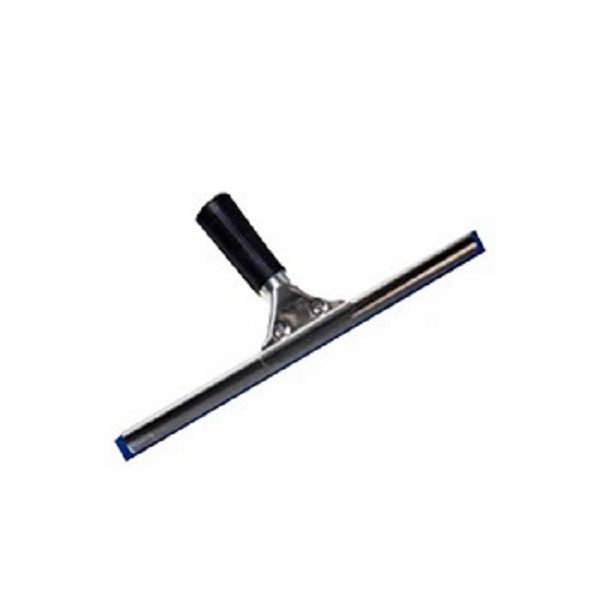
Plastic window scrapers can be divided into handheld window scraper molds and curtain window scraper molds. Handheld window scraper molds have a relatively simple structure, featuring portability and ease of use. Curtain window scraper molds are usually designed in larger shapes, suitable for cleaning large windows.

Switch panel plastic molds encompass various types, including single-switch, double-switch, and socket switch panel molds. Single switch molds are typically simple in design, and suitable for common lighting switches, emphasizing basic functionality.

Plastic lampshade molds for furniture encompass various types, including chandelier lampshade molds, desk lampshade molds, and wall lampshade molds. Chandelier lampshade molds are typically designed with large, multi-layered shapes, suitable for spacious living rooms and dining spaces.

Plastic lamp base molds cover various types, such as floor lamp base molds, table lamp base molds, and wall lamp base molds. Floor lamp base molds are generally designed larger, with a focus on stability.

This mold is used to manufacture traditional doorbells with a simple and classic appearance. Traditional doorbells are commonly used in homes and general commercial places.

The washing machine shell mold includes different types, such as upper shells, lower shells, and control panel panels. These molds are designed for various models and brands of washing machines to meet different shell manufacturing needs.
Advantages of Automotive Injection Molding
Cost-effectiveness
Injection molding is one of the most widely used manufacturing processes in the automotive industry, and for good reason. Its cost-effectiveness is highly attractive for businesses because production rates with injection molding are often much faster than other methods. Additionally, injection molding also results in significantly lower material wastage, meaning that companies can save even more money while producing high-quality parts and components. By investing in injection molding machinery, automotive companies can capitalize on these benefits to get ahead of their competitors.
Speed
Making things quickly has always been important. Injection molding is a way to make parts using automated machines and computers. This method is fast and efficient and it reduces the amount of time it takes to make the parts. This not only helps to increase productivity but also allows companies to keep costs low, something that is essential in today's competitive market.
Quality
Quality assurance is critical in today's automotive industry, and injection molded parts provide the consistently high quality that manufacturers need to achieve superior results. By using precision injection molding techniques, all parts are created with uniform thickness, meaning that there are no structural deficiencies that could cause problems down the line. In addition, the close tolerances of these techniques make sure that parts meet or exceed industry standards. This ensures repeatable performance with every part while delivering the dependability carmakers depend on.
Durability
It is important to think about how long a material will last when you are choosing it for automotive injection molding. Plastics such as ABS and polypropylene are strong and will last a long time, even in harsh conditions like in cars. Plastic parts are strong and can handle different temperatures. They don't break easily and last a long time. This makes cars better and helps them last longer.
Design Flexibility
Injection molding also allows for greater design freedom than traditional manufacturing methods. Automotive companies can now experiment with the size and shape of various components, making formerly impossible designs a reality. Car manufacturers can use 3D printing to make parts for cars. These parts are usually more complicated than parts made using traditional methods. This allows car manufacturers to make one-of-a-kind cars that will get people's attention when they see it driving on the road.
Versatility
Automotive injection molding offers an unmatched level of versatility when it comes to manufacturing parts for various vehicles. You can use it to produce components and fixtures for classic cars, coupes, sedans, boats, airplanes, and more. There are lots of things that can you can make using injection-molding technology. For example, exterior features like grilles, bumper covers, and wheel flares. Plus, you can create whole interior design systems can using this technique too. This makes it easier for automakers to produce vehicles more efficiently.
Application of Automotive Injection Molding

Components under-the-hood
For the past two decades or so, many under-the-hood components that manufacturers formerly made from metal have been transitioned to plastic. For these applications, robust polymers such as ABS, Nylon, and PET are common. However, manufacturers now make parts such as cylinder head covers and oil pans using injection molding. This method offers lower weights and costs compared to metal parts.

Exterior Components
Injection molding is an established process for many exterior automotive components, including fenders, grilles, bumpers, door panels, floor rails, light housings, and more. Splash guards are a fine example for demonstrating the durability of injection molded parts. In addition, the components, which protect the car from road debris and minimize splashing, are often made from rubber or other durable and flexible materials.

Interior Components
Manufacturers also produce many automotive interior parts using automotive plastic injection molding. They include instrumentation components, interior surfaces, dashboard faceplates, door handles, glove compartments, air vents, and more. In addition, they also use injection molding to produce decorative plastic elements.
Materials Used for Making Automotive Injection Molding
Polypropylene (PP)
Polypropylene, a polymer of propylene, is one of the common materials used in making car parts. Due to its resistance to chemicals, UV, and water, it is widely used in making car's external components such as bumpers. In addition, it is used for cable insulation.
Polyvinyl Chloride (PVC)
PVC makes about 16% of the car's plastic components. Being flexible and heat resistant, auto parts manufacturers use it to make both hard and soft parts, including interior panels, and dashboard components.
Polyurethane (PU)
Products that require a high degree of flexibility, such as foam seats, frequently make use of Polyurethane. Car seats are one example. PU is also used for making seals and gaskets, insulation panels, and suspension bushings in automobiles.
Acrylonitrile butadiene styrene (ABS)
ABS, as its names suggest, it's a polymer of acrylonitrile and styrene. It is hard and shiny, which is why its normal applications include dashboards and wheel covers.
Polycarbonate
Polycarbonate is a rigid, hard, and durable material. Due to its resistance to heat and weather conditions, it is an excellent choice for making car bumpers.
Polymethyl methacrylate (PMMA) / Acrylic)
Acrylic is transparent plastic with high strength, optical clarity, and stiffness. It is used as a substitute for glass and in making headlight covers and screens.
Polyethylene
Polyethylene is strong, lightweight, and resistant to impact. It's extremely helpful in case moisture resistance and low cost are the main priorities.
Polyamide (Nylon)
Polyamide or Nylon being wear-resistant in nature is used to design bushes and bearings.
How Automotive Injection Molding Works?
The automotive injection molding process starts with making a mold. The mold is usually made from hard steel or aluminum. It has two halves – the core and the cavity. When the two halves are closed, they form the shape of the part that is wanted. Plastic pellets, which are often thermoplastics like polypropylene or ABS, are melted in the barrel of the injection molding machine. Then, the melted plastic is injected into the mold cavity with high pressure.
After the melted plastic fills up the cavity, it needs to cool down and get hard. The time it takes to cool depends on how big and thick the part is, and what kind of plastic is used. Once the part has cooled enough, the mold opens up. The finished part is then pushed out. This process keeps repeating over and over. This allows many identical parts to be made very quickly. Injection molding machines today are very automated. They have advanced control systems that help make sure the quality is always the same and there are not many defects.
Challenges in Automotive Injection Molding
Managing Material Properties
The main hurdle of automotive injection molding is to manage the various material features. This is one of the most important aspects of the car parts supply chain, in order to be able to meet the particular needs of each part. The polymers react differently to stress, heat and during the molding process, which are the major factors that affect their performance. The problem with this variability is that it usually results in defects such as warping, shrinking, and others. Automotive manufacturers must exercise strict control over the conditions of processing. Besides, they need to decide on the materials consistent with the part's design specifications. By doing so, it makes it possible to avoid these problems.
Overcoming Design Limitations
Injection automotive molding gives designers many options. Nonetheless, the process is not perfect, and it has some limitations. Likewise, if the parts have a complicated design or have sharp undercuts, the mold design will also be more difficult. It can also cause additional tooling processes. This means that production costs and time will increase. Engineers should find a balance between the extensive designs and the practicalities of the molding process. They generally are good at creative problem-solving, and they do not sacrifice performance or appearance in the process.
Types of Injection Molding Techniques Used In The Automotive Industry
Thermoplastic Injection Molding
The most widely used technique in the automotive industry, involving the injection of molten thermoplastic materials into a mold cavity. The material solidifies upon cooling and can be melted and reprocessed multiple times.
Applications: Interior and exterior components, dashboard parts, door panels, bumpers, and electrical connectors.
Elastomeric Injection Molding
This technique focuses on molding elastomeric materials, which are rubber-like in nature. It involves injecting heated elastomers into a mold, allowing them to cure and form flexible parts with excellent resilience and sealing properties.
Applications: Seals, gaskets, weatherstripping, rubber mounts, and vibration dampers in automotive applications.
Thermosetting Injection Molding
This technique involves injecting a thermosetting resin, which undergoes a chemical reaction upon curing and cannot be re-melted or reprocessed. The material becomes rigid and retains its shape permanently.
Applications: Circuit boards, electrical components, connectors, and other parts requiring high heat resistance and dimensional stability.
In the early days of the automotive industry, automotive injection molding was not widely used. Automotive manufacturers primarily relied on metal stamping to produce parts. These metal components were heavy and expensive. However, as the automotive industry began to grow, so did the demand for more efficient and cost-effective manufacturing methods.
Initially, in the 1950s, injection molding began to be used for manufacturing decorative elements. Then, in the late 70s and 80s, automotive injection molding quickly became the preferred manufacturing method for producing a variety of auto parts molds, including dashboards, headlights door panels, and instrument clusters.
In the 2000s, plastics became a structural component of the automotive industry. Being lightweight than metal parts, they made cars fuel-efficient and cost-effective.
The advantages of injection molding soon made it the go-to manufacturing method for many other industries as well. Today, a large number of industries use automotive injection molding to produce a wide variety of parts and products.
Automotive Injection Molding Process


Design and Mold Preparation
The process begins with the design of the part to be manufactured. Computer-Aided Design (CAD) software is used to create a detailed 3D model. Based on the design, a mold (also called a tool or die) is created. The mold is typically made of metal and consists of two halves: the cavity and the core.
Material Selection
Thermoplastic materials are commonly used in automotive injection molding due to their ability to be melted and solidified multiple times without significant degradation. Material selection depends on factors like mechanical properties, thermal resistance, chemical resistance, and cost.
Melting and Injection
The selected plastic resin is fed into the injection molding machine's hopper, where it is heated and melted. Once molten, the material is injected into the mold cavity under high pressure. This pressure helps fill the mold completely and ensures that the part takes the desired shape.
Cooling and Solidification
After injection, the mold is cooled to allow the molten plastic to solidify and take on the desired shape. Cooling can be controlled using cooling channels within the mold to achieve uniform solidification.
Mold Opening and Ejection
Once the part has solidified, the mold is opened, separating the two halves. Ejection pins or mechanisms are used to push the finished part out of the mold.
Trimming and Finishing
Some parts might have excess material, called flash, around the edges. This is trimmed off to achieve the final part geometry. Secondary operations like painting, assembly, or surface texture application might be performed depending on the part's requirements.
Quality Control
The manufactured parts undergo quality control checks to ensure they meet specified tolerances and standards. Common quality control methods include visual inspection, dimensional measurement, and testing for mechanical properties.
Quality Control in Automotive Injection Molding
Before production begins, a thorough design review assesses the feasibility of the design for injection molding.
Feasibility Analysis: Evaluating the design to ensure it can be manufactured efficiently with injection molding techniques.
Optimization: Making necessary adjustments to the design to reduce potential manufacturing challenges and optimize manufacturability.
Risk Reduction: Identifying and mitigating risks that could lead to defects, thus enhancing the overall quality of the final product.
During production setup, meticulous attention ensures that equipment and processes are configured correctly.
Material Selection: Choosing appropriate mold materials based on the specific requirements of the automotive part.
Machine Configuration: Setting up injection molding machines with the correct parameters to ensure consistent production.
Parameter Calibration: Calibrating temperature, pressure, and other critical parameters to minimize variability and ensure adherence to quality standards.
Continuous monitoring of key parameters during injection molding is essential to maintaining process stability.
Key Parameters: Tracking variables such as pressure, temperature, cycle time, and part weight.
Real-Time Monitoring: Using sensors and software to monitor the process in real-time, allowing for immediate adjustments.
Defect Prevention: Promptly identifying and addressing issues to prevent defects, ensuring that parts consistently meet specifications.
Every automotive injection-molded part undergoes a comprehensive final inspection post-production.
Dimensional Accuracy: Measuring parts to ensure they meet precise dimensional specifications.
Surface Finish: Inspecting the surface quality to ensure it meets aesthetic and functional requirements.
Structural Integrity: Performing functional tests to verify the part's strength and durability.
Defect Identification: Conducting rigorous inspections to identify and eliminate defects, ensuring that only high-quality parts are shipped to customers.
Our Certifications


Our Factory
LAUNCESTON ENTERPRISE CO.,LIMITED, Is a high-tech enterprise dedicated to mold manufacturing and injection molding, hardware CNC and processing. We have a leading design team that combines concepts with art and business to develop more and more differentiated products in a modern minimalist style. Widely used in electrical and electronic industry, automotive industry, medical industry, electronic cigarette industry and other business areas.

Ultimate FAQ Guide to Automotive Injection Molding
Send Inquiry
