

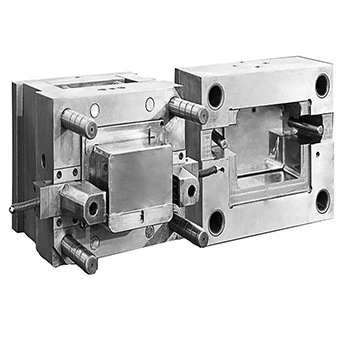
Switch Panel Plastic Mold
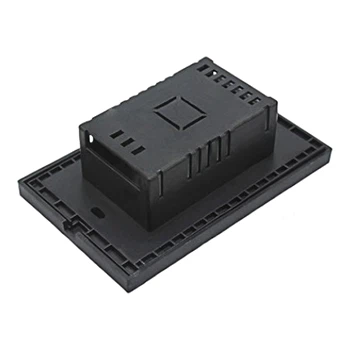
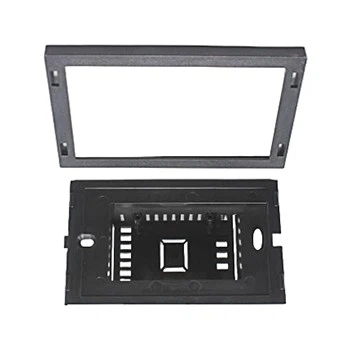
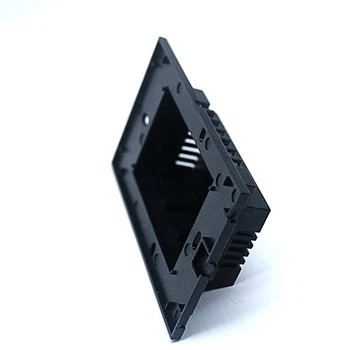
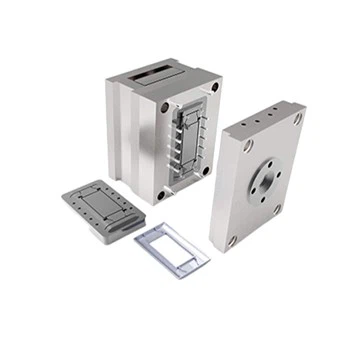
Description of switch panel plastic mold
Switch panel plastic molds encompass various types, including single-switch, double-switch, and socket switch panel molds. Single switch molds are typically simple in design, and suitable for common lighting switches, emphasizing basic functionality. Double switch molds are suitable for scenarios requiring control of two power sources simultaneously, providing more flexible electrical control options. Socket switch panel molds not only have switch functions but also accommodate sockets, offering additional power source choices, and giving them an advantage in multifunctional applications.
The primary purpose of these molds is to manufacture switch panels for electrical devices, providing both appearance protection and functional operation. Single-switch molds fulfill common switch requirements with their straightforward design, while double-switch molds come into play in more complex circuit control scenarios. Socket switch panel molds combine switch functions with the ability to accommodate sockets, providing a more comprehensive power source selection.
In the mold design process, considerations include the shape, size, and durability of the switch, ensuring that the produced switch panels meet market demands for diverse switch products. Mold manufacturers often adjust the design and production processes according to specific customer requirements, providing switch products that align with market trends and individualized needs.
Details of switch panel plastic mold
|
Product Name: |
Switch Panel Plastic Mold |
||
|
Core Material: |
ABS or PC |
Brand: |
OEM&ODM |
|
Product Size: |
Based on the processing size of our standard mold, we can also use the customer's 3D drawings or samples. |
||
|
Finishes: |
ABS/polycarbonate alloys, polycarbonates, polypropylene, modified polyphenylene ether (PPE) and SMA (styrene-maleic anhydride) resins and PA66. |
||
|
Consistency of Parts: |
Less than +/-0.03 inch |
||
|
Place of Origin: |
CHINA&USA |
MOQ: |
Negotiable |
|
Certificate: |
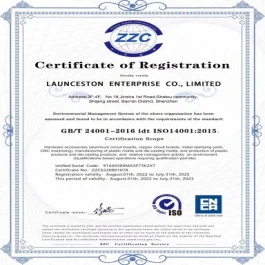
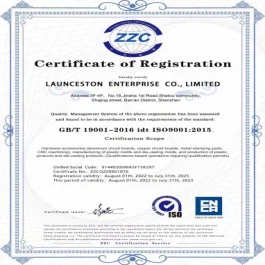
GB/T 19001-2016 idt ISO9001:2015 GB/T24001-2016 idt ISO14001:2015 TS16949 and ISO45001 are being applied |
||
|
Plastic sample: |
Free |
Packaging: |
Plastic pallets |
|
MOULD TIME |
20-25DAYS |
Lead time: |
10-25DAYS |
Our Advantages
LAUNCESTON Foreign Trade Company's core advantage lies in its excellent ability to manage trade risks, ensuring customers have higher security in international trade.
Firstly, the company excels in controlling risks in the supply chain by establishing an efficient supply chain management system, reducing potential risks. Our comprehensive monitoring and flexible adjustment of the supply chain enable timely order completion, minimizing possible delivery delays.
Secondly, LAUNCESTON places importance on payment tracking and confirmation mechanisms, ensuring transparency and security in the transaction process. Customers can track payment progress clearly, and the confirmation mechanism ensures the secure receipt of funds.
This not only enhances trust in transactions but also effectively reduces payment risks, providing robust protection for customer funds.
Additionally, the company has a comprehensive compensation policy for damaged goods to address potential logistics losses. In the event of damage to goods during transportation, LAUNCESTON actively assists customers and provides reasonable compensation solutions to ensure customers do not suffer unnecessary losses due to unforeseen circumstances.
Our promise
LAUNCESTON Foreign Trade Mold Company promises to its esteemed customers that we, with strong new product development capabilities, always stay synchronized with the market. Our professional team closely monitors industry trends and market changes to ensure our products remain at the forefront of innovation.
To meet the constantly changing needs of customers, we not only continuously improve existing product lines but also actively invest in developing new molds and processes. Our research and development team consists of experienced professionals with deep industry knowledge and keen market insights. By maintaining close communication with customers, we accurately capture market feedback and customer opinions, translating this information into innovative ideas.
In the process of new product development, we focus on technological innovation and process improvement. By introducing advanced technologies and processes, we not only enhance product quality and performance but also improve production efficiency. This not only helps reduce costs but also provides customers with more competitive products.
Recognizing the fierce competition in the market, we are committed to providing customers with competitive products, helping them stand out in the market. Our research and development efforts not only focus on product innovation but also emphasize the practicality and applicability of products to meet the diverse needs of different customers.
FAQ
Q: What factors should be considered when designing a switch panel plastic mold?
A: When designing a switch panel plastic mold, several critical factors must be considered. First and foremost is the type of plastic material to be used, as different materials have varying properties affecting durability, appearance, and cost. The mold design should also account for the complexity of the switch panel, ensuring that intricate details and precise dimensions are captured accurately during the injection molding process. Additionally, factors like cooling system efficiency, venting to release air and gases, and the selection of an appropriate gating system for injecting molten plastic into the mold all play pivotal roles in achieving a high-quality end product.
Q: Which materials are commonly used in manufacturing switch panel molds, and how do they affect the final product?
A: Common materials used in manufacturing switch panel molds include ABS (Acrylonitrile Butadiene Styrene), PC (Polycarbonate), and PA (Nylon). The choice of material significantly impacts the final product. For instance, ABS offers a balance of strength and cost-effectiveness, while PC provides excellent transparency and heat resistance. Nylon, on the other hand, is known for its toughness and wear resistance. Each material has unique characteristics, affecting factors such as the switch panel's aesthetics, mechanical properties, and resistance to environmental conditions.
Q: Are there specific design features to enhance the efficiency of a switch panel mold?
A: To enhance the efficiency of a switch panel mold, designers should focus on optimizing several key features. Incorporating proper cooling channels within the mold helps manage temperature, reducing cycle times and improving productivity. Efficient gating systems ensure uniform material distribution, minimizing defects and enhancing the overall quality of the molded switch panel. Venting is crucial to allow the escape of air and gases during the molding process, preventing imperfections. Furthermore, a well-designed ejection system facilitates the easy removal of the molded part, contributing to a smoother and more efficient manufacturing process.
Send Inquiry
