


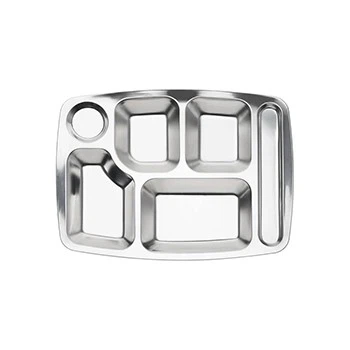


Metal Tableware Mold
Description of metal tableware mold
Hardware tableware molds and their main purposes:
Knife Molds: Including vegetable knives, dining knives, fruit knives, etc. The design of knife molds affects the blade shape and length to adapt to different cooking and cutting needs, improving cutting efficiency.
Fork Molds: Including dining forks, fruit forks, etc. The design of fork molds affects the shape and number of teeth, adapting to the consumption and cutting of different ingredients. The shape and tip design of fork molds directly impact the convenience during meals.
Spoon Molds: Including dining spoons, soup spoons, coffee spoons, etc. The design of spoon molds affects the capacity and shape to adapt to the intake of various foods. The depth and capacity of spoon molds affect the comfort and practicality during meals.
Bowl and Plate Molds: Including various shapes and sizes of bowls and plates, such as deep dishes, shallow dishes, large bowls, small plates, etc. The design of bowl and plate molds directly affects the functionality of tableware, suitable for various food presentations,
making dining more diverse.
Baking Tableware Molds: Including cake molds, baking sheets, etc. These molds are used for making and baking pastries, cakes, affecting the shape and texture of the baked products.
Tableware Cutting Board Molds: Including cutting boards of different materials such as wood, plastic, metal, etc. The design and material of cutting board molds are directly related to the hygiene and cutting efficiency in kitchen operations.
Cup Molds: Including stainless steel cups, etc. The design of cup molds affects the shape, capacity, and mouth design, adapting to different types of beverages and occasions.
Details of Metal tableware mold
|
Product Name: |
Metal Tableware Mold |
||
|
Core Material: |
S136 Quenching hardening |
Brand: |
OEM&ODM |
|
Product Size: |
Based on the processing size of our standard mold, we can also according to the customer's 3D drawings or samples. |
||
|
Available material: |
Aluminium& Kirsite |
||
|
Consistency of Parts: |
Less than +/-0.03 inch |
||
|
Place of Origin: |
CHINA&USA |
MOQ: |
Negotiable |
|
Certificate: |
GB/T 19001-2016 idt ISO9001:2015 GB/T24001-2016 idt ISO14001:2015 TS16949 and ISO45001 are being applied |
||
|
Plastic sample: |
Free |
Packaging: |
Plastic pallets |
|
MOULD TIME |
20-25DAYS |
Lead time: |
20-30DAYS |


Our Advantages
LAUNCESTON 's core competitive advantage lies in excellent communication and support optimization, providing customers with an outstanding collaborative experience.
We emphasize timely feedback, establishing an efficient communication mechanism throughout the collaboration process to ensure customers receive crucial information promptly. Through fast and transparent communication, we better understand customer needs, address issues promptly, and enhance the smoothness and efficiency of collaboration.
We provide comprehensive after-sales service support. Whether dealing with product quality issues or after-sales requirements, we have a dedicated after-sales team to offer timely and comprehensive support. Adhering to the principle of "customer first," we ensure
customers experience thoughtful and professional service throughout the collaboration, fostering long-term and stable partnerships.
We have introduced smart factory machinery by adopting advanced intelligent manufacturing technology. This automation and intelligence in the production process not only enhance production efficiency and reduce costs but also ensure the consistency and stability of product quality. Customers can trust that our products maintain a leading position in terms of craftsmanship and quality.
Our promise
LAUNCESTON makes a firm commitment to customers, focusing on providing traceable, high-quality products and establishing transparent and fair cooperation relationships.
Firstly, we promise to provide products with traceable quality. Each product comes with a quality assurance certificate, detailing the entire process from raw material procurement to manufacturing. This ensures product compliance and stability, providing customers with a reliable basis for tracing product quality. We emphasize a quality management system, strictly adhering to international standards, and delivering outstanding quality mould products to customers.
Secondly, we clearly define key details in cooperation contract terms to ensure transparent and fair cooperation relationships. Contract terms cover aspects such as price, delivery deadlines, quality standards, and after-sales service, safeguarding the interests of both parties. We advocate the principles of honesty and trustworthiness, using contracts as the foundation to establish mutually trusting, beneficial, and long-term cooperation relationships.
Additionally, we provide comprehensive product certification reports. These reports detail various performance indicators, compliance with standards, and relevant certification information. Customers can use these reports to understand product quality and compliance, ensuring that products meet various standards and regulations in the market.
LAUNCESTON , with a core focus on quality traceability and transparent cooperation, provides reliable products and a cooperative foundation by offering quality assurance certificates, clear contract terms, and detailed product certification reports. We firmly believe that through high-quality service and stable quality, we can work hand-in-hand with customers to create a mutually beneficial and bright future.
FAQ
Q:What are the common materials used in hardware utensil molds?
A:In hardware utensil molds, common materials include various types of tool steels such as P20, H13, and 420 stainless steel. These materials are chosen for their durability, wear resistance, and ability to withstand the high temperatures and pressures involved in the molding process.
Q:How can I choose the right metal for my kitchenware mold?
A:Choosing the right metal for a kitchenware mold depends on factors like the type of utensil, production volume, and budget. For high-volume production, tool steels like P20 and H13 are popular due to their longevity. Stainless steel, particularly 420 stainless steel, is suitable for molds requiring corrosion resistance. Consider the specific requirements of your project and consult with mold experts for tailored recommendations.
Q:What is the typical production process for metal kitchenware molds?
A:The production process for metal kitchenware molds typically involves design, machining, heat treatment, and surface finishing. Initially, the mold design is created based on the desired utensil specifications. Next, the mold is machined using CNC techniques. Heat treatment is then applied to enhance hardness and durability. Finally, surface finishing ensures the mold's smoothness and precision. Regular quality checks are integral throughout the process to ensure the final mold meets specifications.
Send Inquiry
