


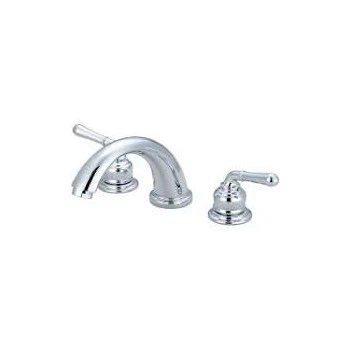


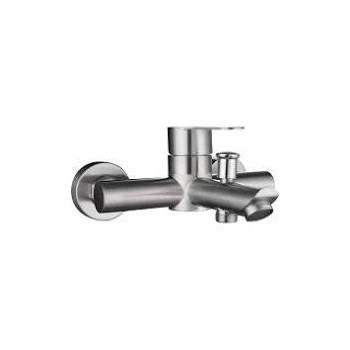
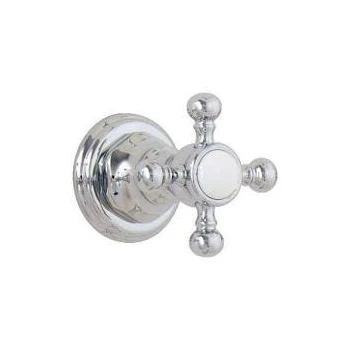

Faucet Metal Mold
Description of Faucet metal mold
Categories:
Single-Hole Faucet Mould: This mold is used to manufacture traditional single-hole faucets, suitable for both household and commercial use. It usually features a simple structure and basic water flow adjustment functions.
Double-Hole Faucet Mould: The double-hole faucet mold is designed to create faucets with hot and cold water mixing capabilities. These faucets are suitable for kitchens and bathrooms, providing more flexible temperature control.
Retractable Faucet Mould: The retractable faucet mold is used to manufacture faucets with retractable features, allowing users to adjust the direction and height of water flow. These faucets are common in kitchens and washbasins.
Water-Saving Faucet Mould: This mold focuses on designing and manufacturing water-saving faucets by optimizing the water flow structure and controlling the valve core, aligning with the increasing emphasis on environmental conservation.
Applications:
Home Faucets: Widely used in household kitchens, bathrooms, and washrooms, meeting various water needs for daily activities. Different types of faucet molds can adapt to different home scenarios.
Commercial Faucets: Used in restaurants, hotels, and public places, providing high-quality and durable faucets that meet the frequent water needs of commercial environments.
Manufacturing Process:
Design and Mould Making: Experienced designers design the faucet, including its appearance, internal structure, and valve core. Advanced mold-making technology is then used to produce molds that meet design requirements.
Material Selection: Corrosion-resistant metal materials such as brass and stainless steel are chosen to ensure the quality and lifespan of the faucet.
Cold and Hot Water Valve Core Manufacturing: Design and manufacture the cold and hot water valve cores to ensure precise and reliable temperature control.
Assembly and Testing: Components of the faucet are assembled, and various quality tests, including water flow and temperature, are conducted to ensure each faucet meets design standards and performance requirements.
Details of Faucet metal mold
|
Product Name: |
Faucet Metal Mold |
||
|
Core Material: |
S136 Quenching hardening |
Brand: |
OEM&ODM |
|
Product Size: |
Based on the processing size of our standard mold, we can also according to the customer's 3D drawings or samples. |
||
|
Available material: |
Aluminium& kirsite |
||
|
Consistency of Parts: |
Less than +/-0.03 inch |
||
|
Place of Origin: |
CHINA&USA |
MOQ: |
Negotiable |
|
Certificate: |
GB/T 19001-2016 idt ISO9001:2015 GB/T24001-2016 idt ISO14001:2015 TS16949 and ISO45001 are being applied |
||
|
Plastic sample: |
Free |
Packaging: |
Plastic pallets |
|
MOULD TIME |
20-25DAYS |
Lead time: |
20-30DAYS |


Our Advantages
Post-Sale Maintenance of Goods Services:
We are committed to providing excellent after-sales service, ensuring that customers receive timely maintenance support after using our products. We respond quickly to customer needs, providing a professional after-sales service team to ensure efficient operation throughout the product's lifespan.
OEM and ODM Choices for Goods Logos and Packaging:
To meet the personalized needs of customers, we offer OEM and ODM choices, allowing customers to customize goods logos and packaging. This not only enhances the uniqueness of the product but also enables customers to better highlight their brand image in the market.
Customer Relationship Management and Post-Sale Service for Goods:
We emphasize building close customer relationships through meticulous customer relationship management and responding promptly to customer feedback to ensure customer satisfaction. Post-sale service for goods is a crucial part of our service chain to ensure that customers feel our care and support throughout the entire purchase and usage process.
Our promise
LAUNCESTON is dedicated to providing thoughtful care and comprehensive technical support to customers:
Sharing User Cases: We will share successful user cases with customers, showcasing outstanding product performance in practical applications and helping customers gain deeper insights into product potential.
After-Sales Technical Support: LAUNCESTON will offer professional after-sales technical support to ensure customers receive timely and effective assistance, guaranteeing the stable operation of our products.
Remote Problem Resolution: We pledge to resolve issues remotely, employing our technical support team to assist customers in promptly addressing any technical problems encountered during product usage, ensuring consistent customer experiences.
FAQ
Q: What materials are commonly used in faucet hardware molds?
A: In the manufacturing of faucet hardware molds, common materials include high-quality steels such as H13, 420, and P20. These steels are chosen for their excellent hardness, wear resistance, and ability to withstand the stresses and temperatures encountered during the injection molding process. Additionally, coatings like chrome or nickel may be applied to enhance durability and corrosion resistance, ensuring the longevity of the mold.
Q: How does the design process for faucet molds ensure product durability and functionality?
A: The design process for faucet molds is a critical step in ensuring both the durability and functionality of the final product. Engineers focus on factors such as structural integrity, water-tightness, and ease of manufacturing. The mold design incorporates features like cooling channels for efficient temperature control, precise cavities for accurate part reproduction, and gating systems to control the flow of molten material. Rigorous testing and analysis are conducted to validate the design's performance, ensuring that the mold produces durable and functional faucet hardware.
Q: Are there sustainable or eco-friendly practices employed in the manufacturing of faucet hardware molds?
A: Efforts towards sustainability in faucet hardware mold manufacturing include the adoption of eco-friendly materials and energy-efficient processes. Some manufacturers use recycled steel in mold production, reducing the environmental impact. Additionally, advancements in machining technologies lead to reduced waste generation. Some facilities implement water and energy conservation measures, contributing to a more environmentally conscious approach. Sustainable practices in mold manufacturing align with the broader industry trend toward environmentally responsible production processes.
Send Inquiry
